
Cellular Jail: Timings, Tickets and History
Sri Vijaya Puram (Port Blair), Andaman & Nicobar Islands
Plan a daytime museum visit, check the separate evening show, and understand how the surviving prison became a National Memorial.
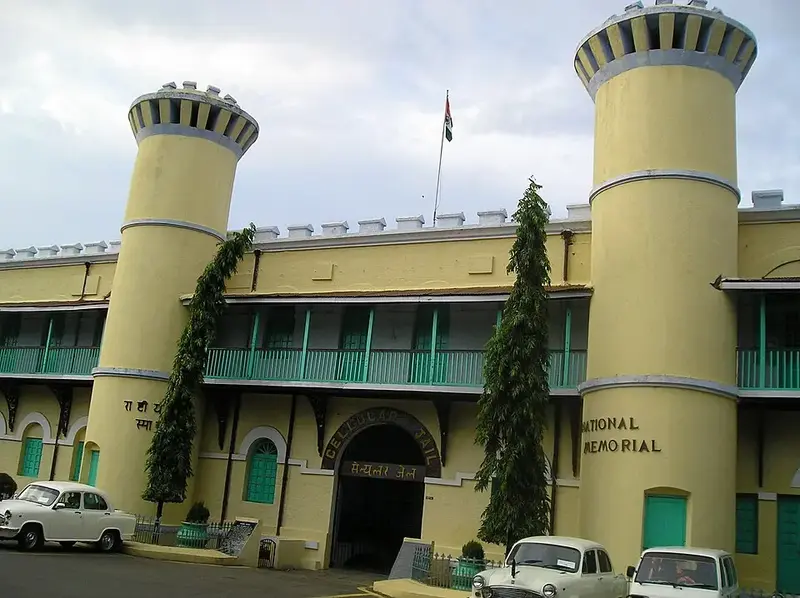
Timings, Entry Fees and Tickets
Checked against the Andaman Tourism museum page and e-Tourist portal on 8 October 2026. Timings and prices can change, so verify them before visiting.
1:30 PM to 5:00 PM
₹100 for foreign nationals
₹200 for non-professional video camera
Daytime museum entry and the evening Light and Sound Show are separate. The show currently costs ₹300 for adults and ₹150 for children aged 5 to 11. See the current show schedule and official booking link.
Why Cellular Jail Matters
Cellular Jail is a former British colonial prison at Atlanta Point in Sri Vijaya Puram, the city long known as Port Blair. It is now a National Memorial and museum dedicated to the people imprisoned in the Andaman penal settlement, including many participants in India's freedom struggle.
The British established a penal settlement in the Andaman Islands in 1858. The high-security Cellular Jail came later. Construction began in the 1890s and the building was completed in 1906. Its seven wings radiated from a central watchtower and were designed to keep prisoners in solitary cells with almost no possibility of communication.
The Andaman penal settlement and Cellular Jail became widely known as Kala Pani, or Black Waters. The phrase was connected with transportation across the sea, separation from the mainland and the terror of imprisonment in the remote islands. Read what Kala Pani meant and how it differed from Cellular Jail.
Architecture and Layout
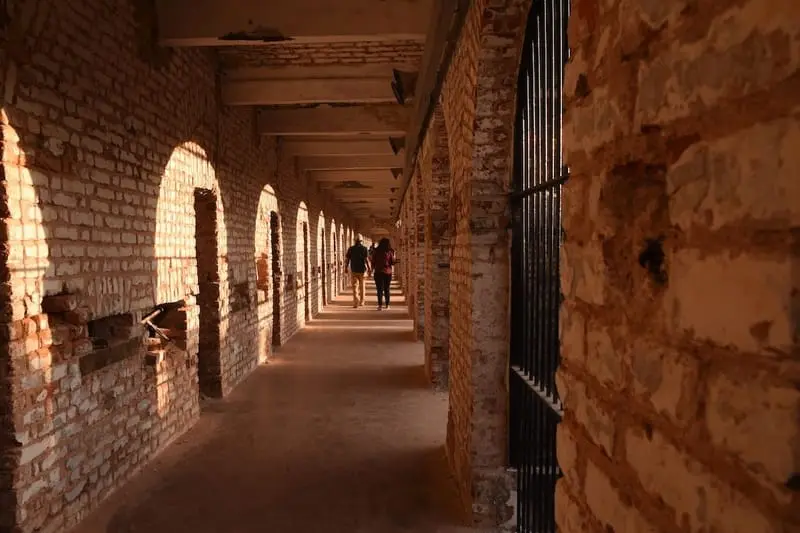
The original three-storey building had seven unequal wings arranged around a central watchtower. Its layout combined the Separate System, which placed each prisoner in an individual cell, with a surveillance design influenced by the Panopticon concept.
India's 2014 submission for the UNESCO World Heritage Tentative List records 698 cells, each measuring about 13.5 feet by 7 feet. Other government and archival accounts provide different cell totals because they count different construction stages and later additions. Only three of the seven wings survive today.
Explore the cells, surviving wings and original seven-wing layout inside Cellular Jail through a sourced visual guide.
UNESCO Status
Cellular Jail is included in India’s UNESCO World Heritage Tentative List, but it is not a World Heritage Site. India submitted a broader four-site proposal in 2026. Read the current UNESCO status and what the two Tentative List entries mean.
Prisoners and Resistance
Prisoners were subjected to solitary confinement, hard labour, poor food, restraints and corporal punishment. Work included oil grinding, coir pounding, rope making and other physically demanding tasks. Political prisoners repeatedly protested their treatment, including through major hunger strikes in 1933 and 1937.
People imprisoned at Cellular Jail included Vinayak Damodar Savarkar, Ganesh Damodar Savarkar, Barindra Kumar Ghosh, Ullaskar Dutt, Sachindra Nath Sanyal, Batukeshwar Dutt, Mahavir Singh, Mohan Kishor Namadas and Mohit Moitra, among many others.
Prisoner accounts also repeatedly name colonial jailer David Barry. Read what the official and published records establish about David Barry, including the limits of the available biographical evidence.
Getting There
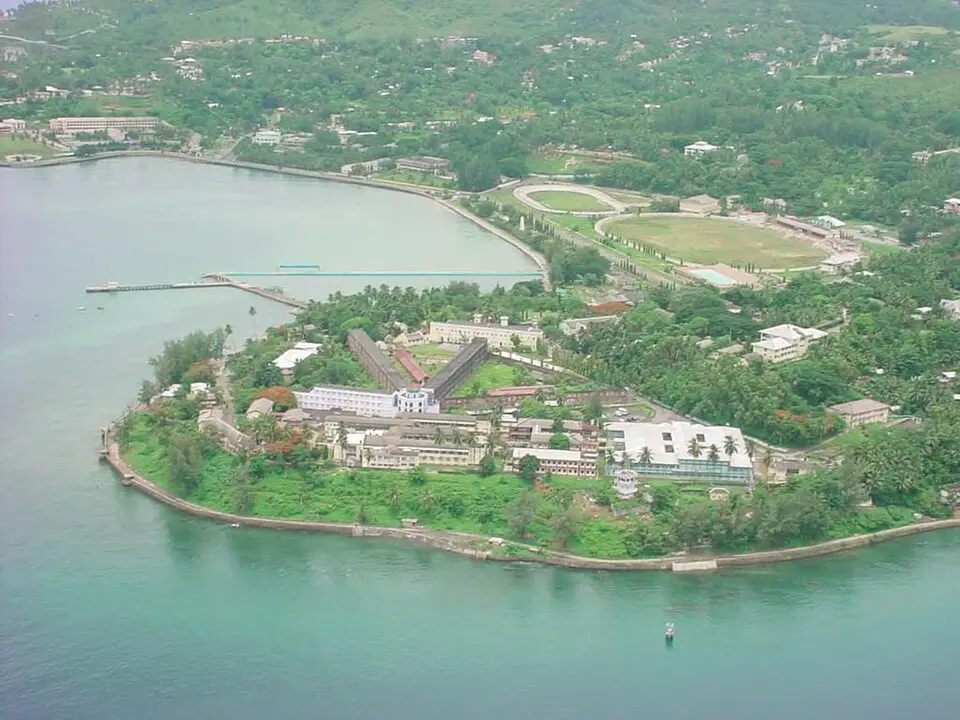
Cellular Jail is at the National Memorial Cellular Jail Complex, Atlanta Point, Sri Vijaya Puram 744101. Andaman Tourism says it is accessible by auto-rickshaw, taxi or tour bus. Open the official location in Google Maps.
The Directorate of Tourism helpdesk is listed as +91 3192 232694.
CellularJail.com is not the official website of Cellular Jail or the Andaman and Nicobar Administration. Official tickets and current government notices are available through Andaman Tourism.
Sources
- Andaman Tourism: Cellular Jail Museum
- Andaman Tourism: Show details and prices
- Andaman Tourism: Cellular Jail location and map
- Andaman Directorate of Art and Culture: Cellular Jail address
- India’s 2026 UNESCO Tentative List submission
- India’s 2014 UNESCO Tentative List submission
- Ministry of Culture: The Making of the Cellular Jail