
Is Cellular Jail a UNESCO World Heritage Site?
Its current Tentative List status, explained from UNESCO records
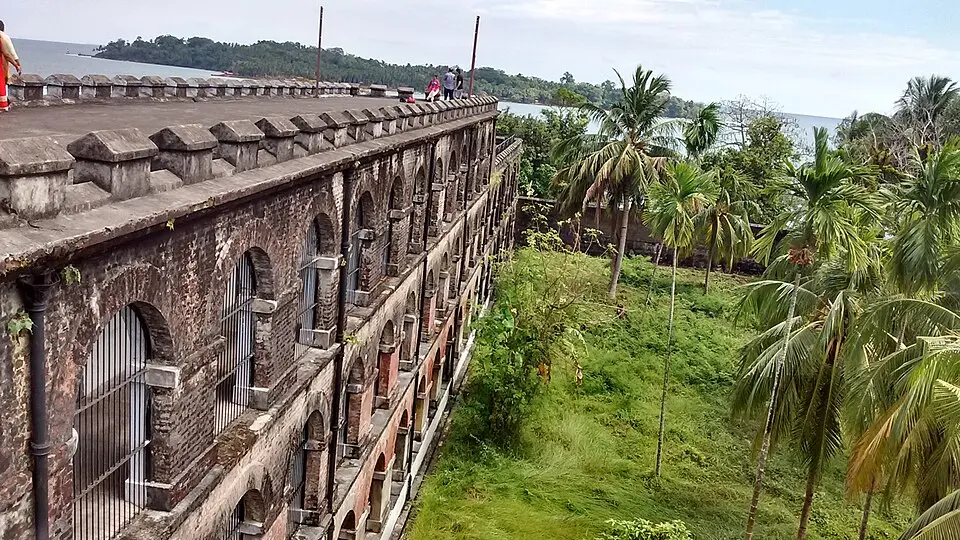
Status checked on 11 September 2026 against the UNESCO World Heritage Centre. This page distinguishes India’s submissions from a decision of the World Heritage Committee.
What Does Tentative List Status Mean?
UNESCO describes a Tentative List as an inventory of properties that a country intends to consider for future nomination. A property must first be on the country’s Tentative List before a nomination to the World Heritage List can be considered.
Being on the Tentative List is therefore an important preparatory step, but it is not World Heritage inscription. The UNESCO pages also state that the submitting country is responsible for the content of a Tentative List entry. Publication does not express an opinion of the World Heritage Committee or the World Heritage Centre.
The 2026 Colonial Penal Settlement Submission
India submitted the Colonial Penal Settlement of Andaman Islands to UNESCO on 22 May 2026. It is listed as a cultural property under reference 7023 and proposes criteria (ii), (iv) and (vi).
The submission is a serial proposal made up of four connected places:
- Cellular Jail: the later high-security prison built around solitary confinement and surveillance
- Netaji Subhas Chandra Bose Island, formerly Ross Island: the colonial administrative centre
- Viper Island: an earlier site of imprisonment and executions
- Chatham Island: an industrial site where convict labour supported the settlement
The 2026 submission presents these places together as parts of one penal, administrative and industrial system. This is broader than treating Cellular Jail as a single monument.
How Is This Different From the 2014 Entry?
India had already submitted Cellular Jail, Andaman Islands to the Tentative List on 15 April 2014. That earlier entry, reference 5888, covers Cellular Jail itself and proposes criteria (iv) and (vi).
The UNESCO World Heritage Centre currently publishes both records. The 2014 page remains useful for the jail’s construction, solitary-cell design and surviving architecture. The 2026 entry places the jail in the wider history of the Andaman penal settlement.
Has UNESCO Approved the Historical Claims?
No. These pages publish material submitted by India. They are valuable institutional sources, but UNESCO’s disclaimer says the State Party is solely responsible for the content. The entries should not be described as independent confirmation of every historical detail.
The two submissions themselves show why careful wording matters. The 2014 entry records 698 cells, while the 2026 entry records 693. Other Indian institutional records provide further totals. This guide keeps those differences visible instead of presenting one disputed figure as settled.
Does This Change Tickets or Visiting Rules?
No change to entry tickets, museum hours or Light and Sound Show booking is stated in the UNESCO records. Visitor information is published separately by Andaman Tourism.
Check the current museum timings and entry fees and the current Light and Sound Show schedule before visiting.
CellularJail.com is not the official website of Cellular Jail, UNESCO or the Andaman and Nicobar Administration. Tentative List status must not be presented as World Heritage inscription.